Wedding Dress Alterations: Timeline & Cost Guide
Wedding Dress Alterations: Timeline & Cost Guide
Understanding the timeline and cost of wedding dress alterations is essential for any bride, especially those embracing non-traditional elegance in black, dark, or gothic styles. This guide provides clear, practical insights into planning alterations without misleading price promises, ensuring your unique gown fits flawlessly on your most important day.
When to Begin Your Alteration Journey
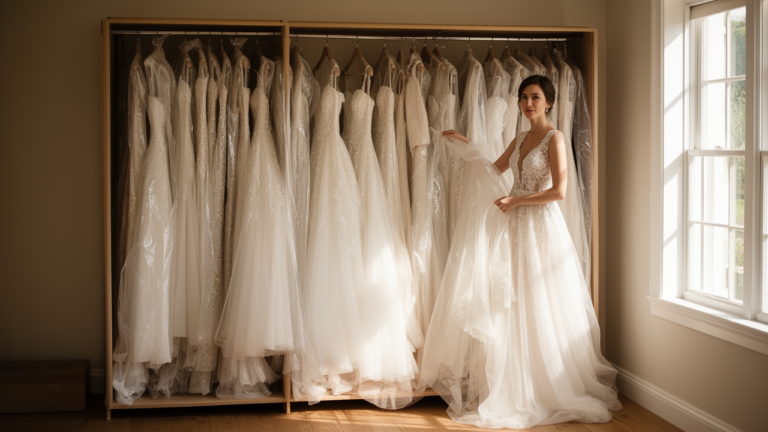
Timing is critical for achieving a perfect fit, particularly with complex black or alternative wedding dresses that often feature intricate details like corsetry, layered skirts, or unconventional silhouettes. Start alterations at least 2-3 months before your wedding date, ideally after you’ve selected your final undergarments and footwear. This allows ample time for multiple fittings and unexpected adjustments, crucial for gowns where dark fabrics can hide fitting nuances that lighter dresses might reveal. If you’re ordering from a major retailer like David’s Bridal or a boutique specializing in alternative bridal wear, coordinate closely with their in-house alteration team or your chosen independent seamstress as soon as your dress arrives. Remember, weight fluctuations are common; schedule your final fitting 1-2 weeks prior to the wedding to ensure the gown accommodates any last-minute changes, a consideration just as vital for a dramatic black gown as a traditional white one.
Common Alteration Types for Non-Traditional Gowns
While many alterations apply universally, black and gothic wedding dresses often present unique considerations. Common services include:
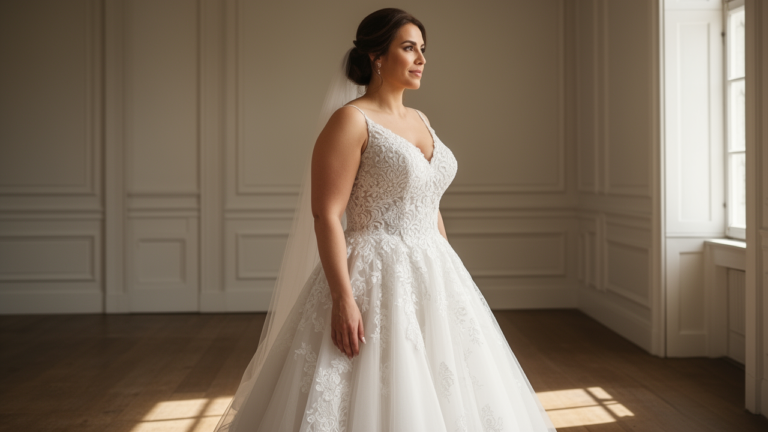
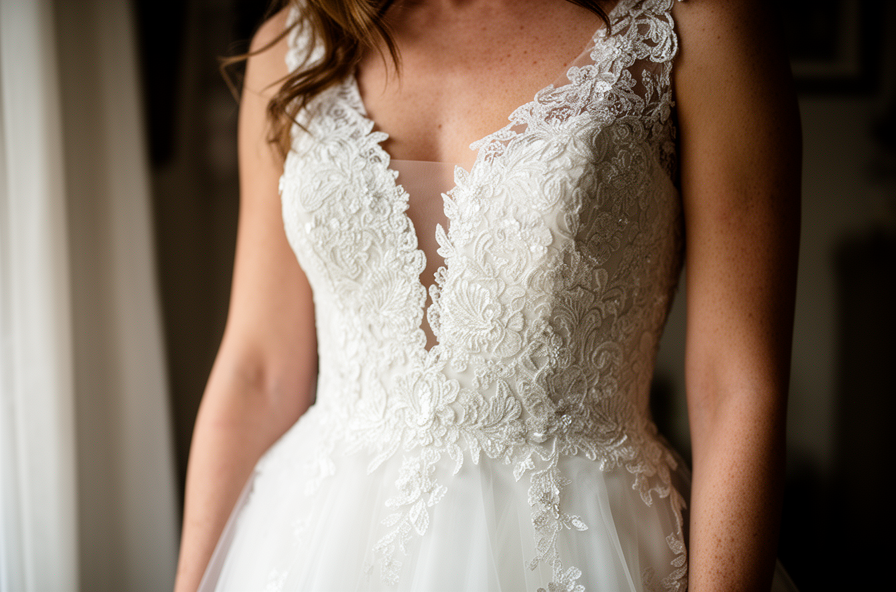
- Fitting the Bodice & Waist: Achieving a snug, supportive fit is paramount, especially for corset-back or structured bodices common in dark bridal fashion. This may involve reshaping darts, adjusting boning placement, or modifying the neckline to complement your chosen style.
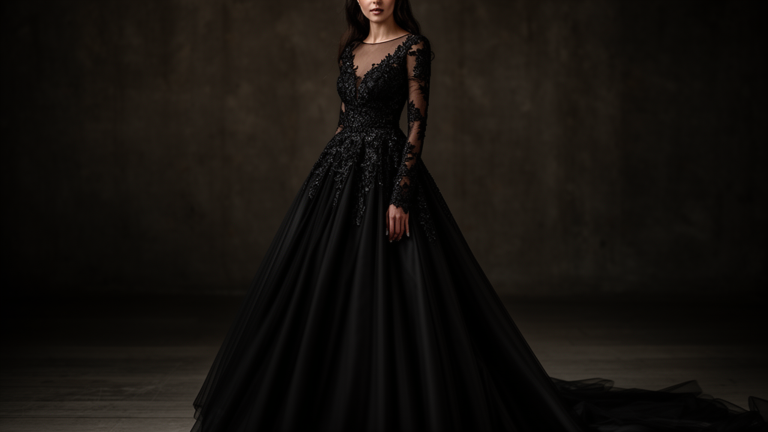
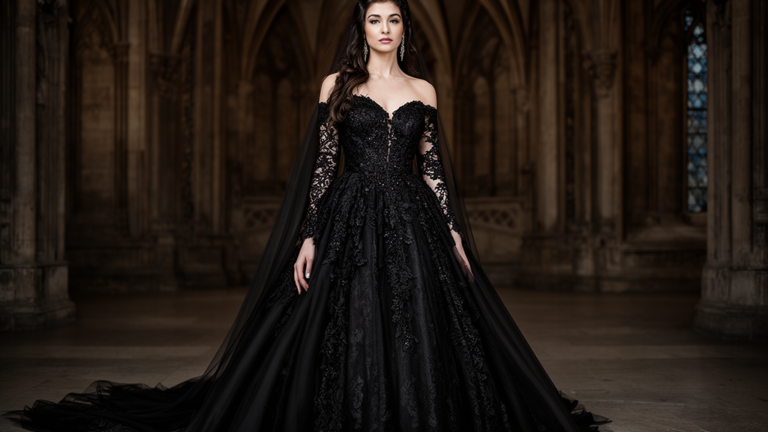
- Hemming & Train Length: Shortening a cathedral train on a black velvet gown requires precision to maintain its dramatic effect. Hemming sheer or heavily embellished skirts (like those found on gothic lace dresses) demands specialized techniques to avoid visible stitches or damage to delicate fabrics.
- Sleeve & Strap Adjustments: From modifying sheer sleeves on a romantic black gown to shortening or securing delicate straps on an off-shoulder gothic design, sleeve alterations ensure comfort and prevent slipping.
- Back Closure Modifications: Converting a zipper to buttons, adding a corset lacing system for a customizable fit, or adjusting the length of a keyhole back are frequent requests for alternative brides seeking a personalized touch.
- Adding or Adjusting Structure: Enhancing the volume of a tulle skirt on a dark-colored dress or adding internal support to a strapless bodice often requires skilled tailoring specific to the fabric’s weight and behavior.
Always discuss the specific fabric and construction of your unique dress with your seamstress, as velvet, satin, or intricate lace behave differently than traditional bridal fabrics.
Understanding Alteration Costs
Pinpointing an exact “wedding dress alterations cost” is impossible without a specific garment assessment, as pricing varies significantly based on complexity, fabric, location, and the tailor’s expertise. Instead of fixed numbers, focus on the factors influencing the investment: the number of fittings required, the intricacy of the dress (beading, multiple layers, special fabrics like velvet or organza), and the specific services needed. Major retailers like David’s Bridal or local bridal boutiques often provide initial cost estimates after the first fitting, while independent seamstresses typically quote per service. Simple hemming might represent a modest investment, whereas extensive bodice restructuring, corset integration, or alterations on heavily embellished black lace will command a higher fee. Always request a detailed written estimate outlining each service and its associated cost before work begins. Be prepared for potential additional charges if significant changes are requested after the initial quote, a transparency essential for managing your budget confidently.
Finding the Right Seamstress for Your Vision
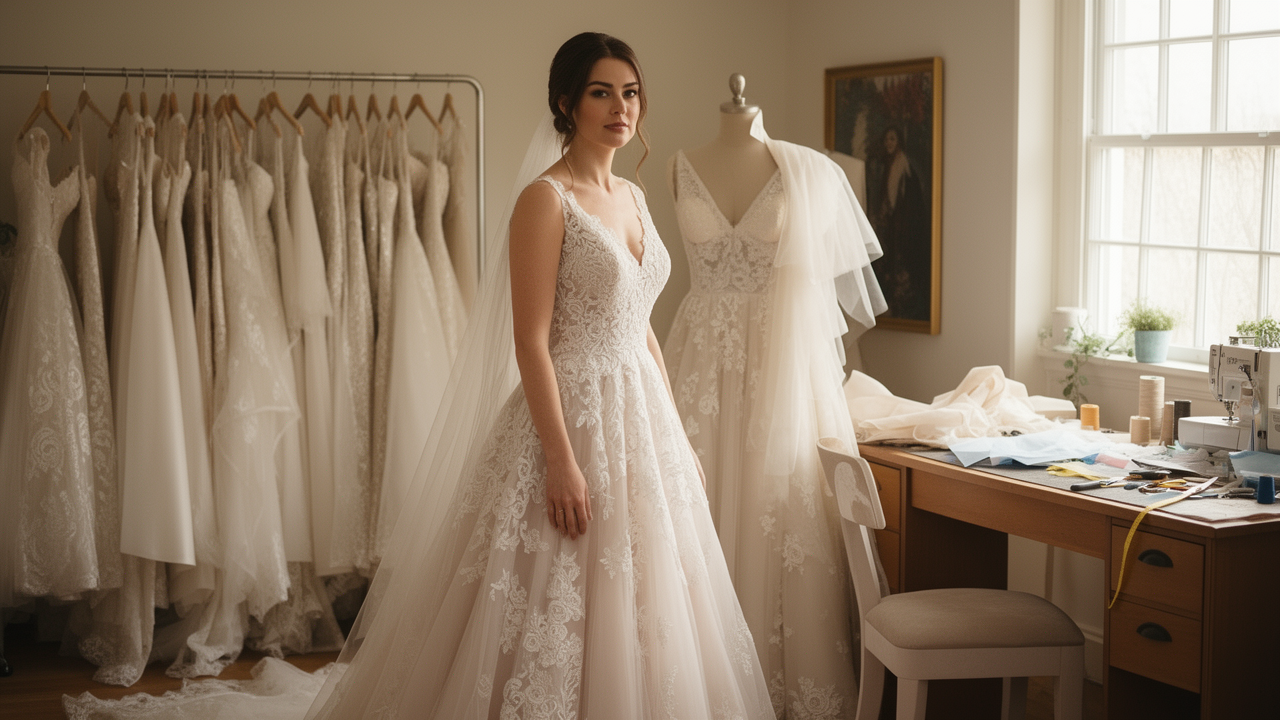
Securing a tailor experienced with non-traditional bridal wear is non-negotiable. Your black or gothic gown deserves a professional who understands the nuances of dark fabrics, unique structures, and the aesthetic you’re embracing. Seek recommendations from bridal boutiques specializing in alternative fashion, online communities for non-traditional brides, or trusted friends who’ve worn dark wedding dresses. Look for portfolios showcasing work on similar styles – a seamstress adept at handling delicate ivory lace might not have the same expertise with heavy black satin or intricate gothic embroidery. Visit their workspace if possible to gauge professionalism and ask about their experience specifically with your dress style and fabric. A skilled tailor for alternative brides will appreciate the artistry of your choice and possess the technical ability to execute it flawlessly.
Essential Questions to Ask Your Seamstress
Arming yourself with the right questions ensures clarity and builds trust. Before entrusting your gown, inquire:
- What is your specific experience with black, dark, or gothic wedding dresses, and can you provide examples? (This is crucial for understanding their comfort level with your unique fabric and style.)
- Can you walk me through the estimated process and timeline for my specific dress? (Get a clear outline of fittings and deadlines.)
- How do you handle unexpected challenges or damage during alterations? (Understand their problem-solving approach and policies.)
- What is your pricing structure? Can I receive a detailed written estimate before work begins? (Insist on transparency; avoid vague quotes.)
- How many fittings do you typically require for a gown like mine? (Ensure their process aligns with your timeline.)
- Do you have liability insurance for the dress while it’s in your care? (A professional should carry this.)
Don’t hesitate to ask if they feel confident handling the specific challenges of your dress. A true professional will be honest about their capabilities and communicate openly.
Honoring Your Unique Bridal Vision
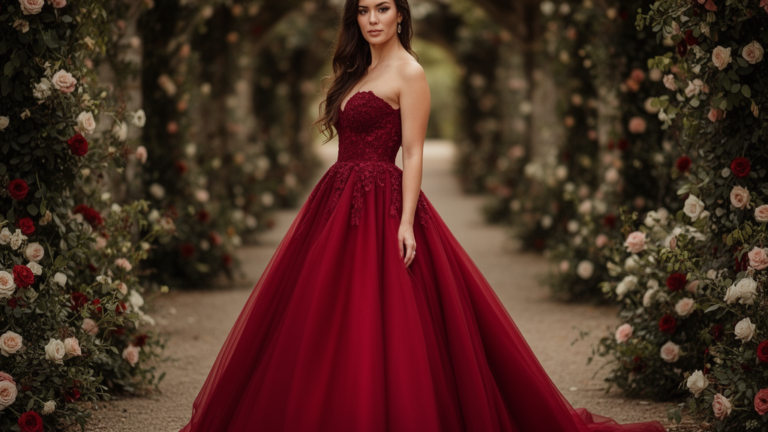
Investing time and care into the alterations process is the final, vital step in bringing your non-traditional bridal vision to life. The confidence you feel in a gown that fits you impeccably – whether it’s a flowing black chiffon masterpiece or a structured crimson corset dress – is unparalleled. Trust the expertise of a skilled tailor who respects the artistry of your choice, and embrace the journey of refining your statement piece. This meticulous attention ensures that when you walk down the aisle, your dress isn’t just worn; it becomes an extension of your bold, elegant, and utterly unique self. Your day deserves nothing less than perfection, crafted with the same intentionality you showed in choosing a gown that truly reflects your spirit.
Shop wedding dress alterations cost on Amazon →
As an Amazon Associate we earn from qualifying purchases.