Wedding Dress Alterations: Cost and Timeline Guide
Wedding Dress Alterations: Cost and Timeline Guide
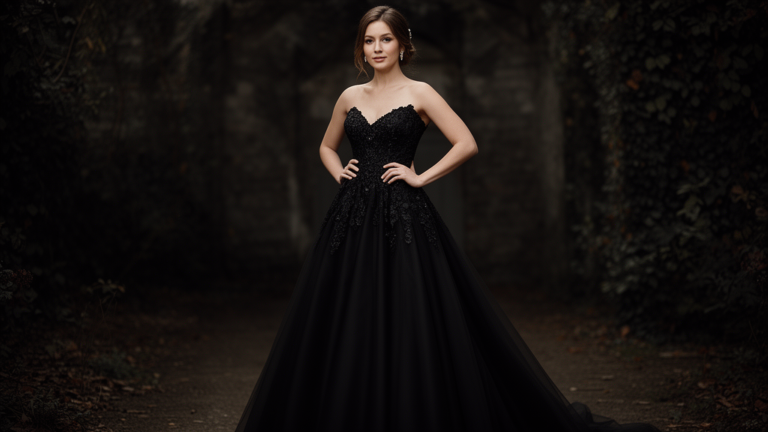
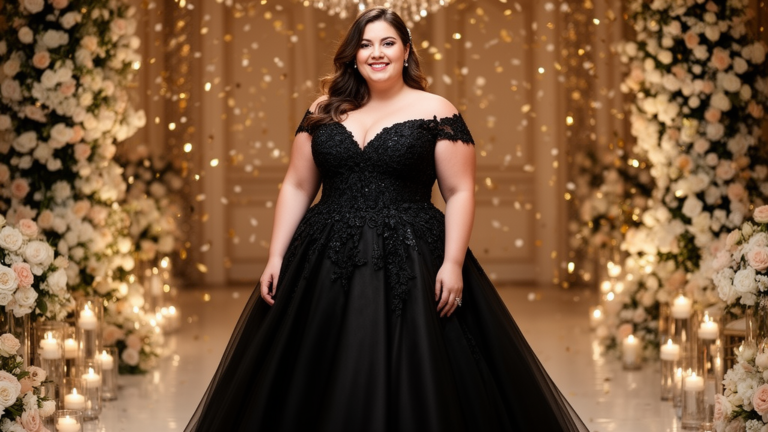
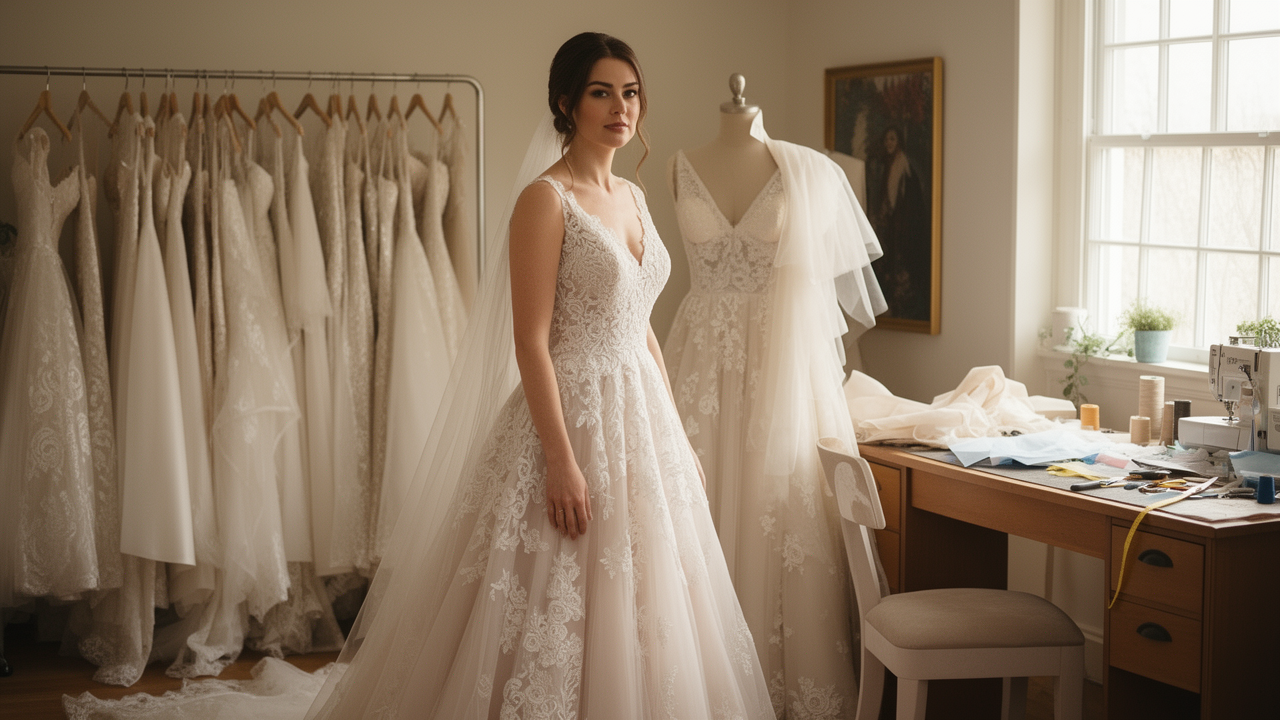
Understanding wedding dress alterations cost and timing ensures your black or gothic gown fits flawlessly on your wedding day. Start planning early with a skilled tailor to transform your unique dress into a custom masterpiece without financial surprises.
Why Alterations Are Essential for Your Black or Gothic Gown
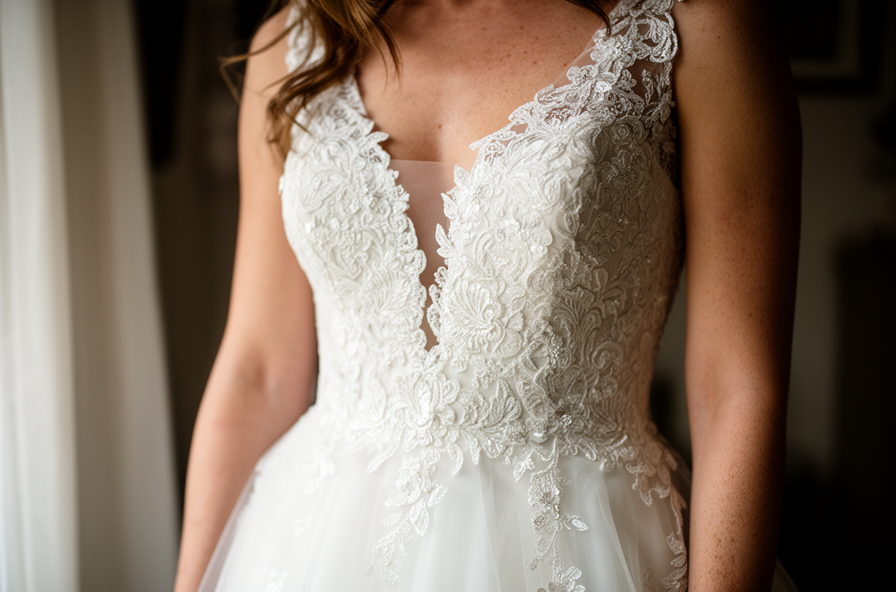
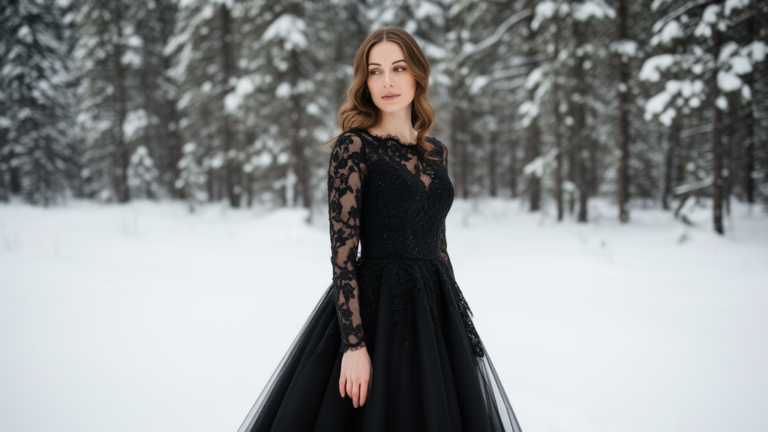
Non-traditional wedding dresses often feature intricate details like dramatic trains, corset lacing, or layered fabrics that require expert tailoring to complement your silhouette. A black lace gown with cathedral-length sleeves or a velvet sheath with hand-embroidered motifs demands precision adjustments that off-the-rack sizing simply can’t provide. Embracing alterations elevates your chosen design from beautiful to breathtaking—proving that confidence blooms when your dress moves with you, not against you.
Unlike conventional white gowns, dark-hued and gothic styles reveal every seam and drape under lighting. A poorly fitted corset back might gap or strain, while uneven hemlines on a tulle skirt disrupt the ethereal effect you envisioned. Alterations honor the artistry of your dress by ensuring structural elements like boning, beading, or detachable trains function as intended. This attention transforms potential missteps into moments of empowerment, where every detail reflects your intentionality.
Common Alteration Steps and What They Entail
Most black wedding dresses require these fundamental adjustments, though your gown’s specific features will dictate the exact process:
- Hemming and train adjustments: Shortening lengthy trains or adjusting floor-length hems to match your footwear. Velvet or heavy brocade may need extra reinforcement to prevent dragging.
- Waist and bodice tailoring: Reshaping corset lacing, tightening side seams, or adding internal bustiers for support. Gothic dresses with structured bodices often require careful manipulation of boning channels.
- Strap and sleeve modifications: Altering delicate lace straps, securing detachable sleeves, or adding modesty panels to deep necklines without disrupting embroidery.
- Back closure refinement: Ensuring corset laces lie flat, button-backs align smoothly, or zipper placements accommodate layered fabrics without pulling.
Specialized elements like detachable skirt layers or removable capelets may need separate fittings. Always discuss these unique features with your tailor upfront to avoid unexpected complications. For example, a gown with hand-painted motifs might require hand-stitching around each design to preserve the artwork during adjustments.
Understanding the Cost Structure: What You’ll Pay For
Wedding dress alterations cost varies significantly based on geographic location, your tailor’s expertise, and the complexity of your gown—not the dress’s original price. Retailers like David’s Bridal or independent boutiques often partner with in-house tailors, while local specialists found via platforms like Yelp or Google may offer personalized attention for non-traditional styles.
Costs are typically itemized per alteration rather than as a flat fee. A simple hem on a satin gown may cost less than the same adjustment on a multi-layered tulle skirt with undertrain beading. Additional factors influencing price include:
- Fabric type (velvet and brocade require more handling time than crepe)
- Embroidery or beadwork placement (adjustments near delicate details increase labor)
- Number of fittings needed (most gowns require 2–3 sessions)
- Urgent timelines (rushed orders often incur premium rates)
Transparency is key—reputable tailors provide written estimates after examining your dress. Avoid any professional who quotes blind prices without seeing the gown. For Amazon-purchased dresses, confirm whether the seller includes alteration coordination or if you’ll need to find a local specialist independently.
Timeline: When to Begin Alterations for a Flawless Fit
Begin alterations 3–4 months before your wedding to accommodate the natural ebb and flow of your body and allow time for meticulous adjustments. This timeframe aligns with standard timelines for dresses from retailers like BHLDN or independent designers specializing in black gowns.
Here’s a realistic schedule:
- 12–14 weeks out: First fitting. Bring your wedding shoes and planned undergarments. The tailor assesses fit and marks major adjustments like waist shaping or train length.
- 8–10 weeks out: Second fitting. Refinements are made to bodice darts, sleeve placement, or corset tension. This is the stage where fabric-specific challenges (like stretching in velvet) are addressed.
- 4–6 weeks out: Final fitting. Minor tweaks to hemlines or closures. Schedule this after any significant weight fluctuations.
- 1–2 weeks out: Emergency touch-ups only. Avoid major changes this close to the wedding; save these for the morning-of if absolutely necessary.
Allow extra time if your gown has removable elements or if you’re altering a vintage piece. Rushed alterations on gothic dresses with complex structures often lead to compromised results—patience is your most elegant accessory.
Special Considerations for Non-Traditional Dresses
Black, dark, and gothic wedding dresses present unique alteration challenges that require a tailor experienced with unconventional materials. Heavy fabrics like brocade or matte jersey may resist traditional pinning techniques, while sheer lace overlays demand invisible stitching to avoid shadowing. Corset-back gowns need particular care to maintain lace integrity around eyelets during tightening.
When selecting a specialist, prioritize those who have worked with dark-hued or alternative bridal styles. Ask to see photos of their previous projects with velvet, satin, or embroidered fabrics. If your dress features custom elements like detachable gothic sleeves or hand-painted motifs, confirm they’ll hand-stitch around these details rather than using machine work that could damage the design. Retailers specializing in non-traditional gowns, such as The Black Tux or local gothic boutiques, often maintain lists of recommended tailors familiar with their designs.
Remember that alterations for colored or black dresses may reveal hidden flaws under certain lighting. Request fittings in natural light and with your wedding venue’s lighting conditions in mind. Your tailor should adjust the gown so it photographs beautifully while feeling secure during your vows—a balance only achieved through thoughtful, experienced craftsmanship.
Trust the process: your black gown’s alterations aren’t about fixing flaws but
Shop wedding dress alterations cost on Amazon →
As an Amazon Associate we earn from qualifying purchases.